Dokumentacja wystawy
RAPESEED, KVOST Kunstverein Ost, Berlin Art Week (DE)
2024
RAPESEED
Kurator: Stephan Koal
Tekst: Diana Weiss
Zdjęcia: Valentin Wedde
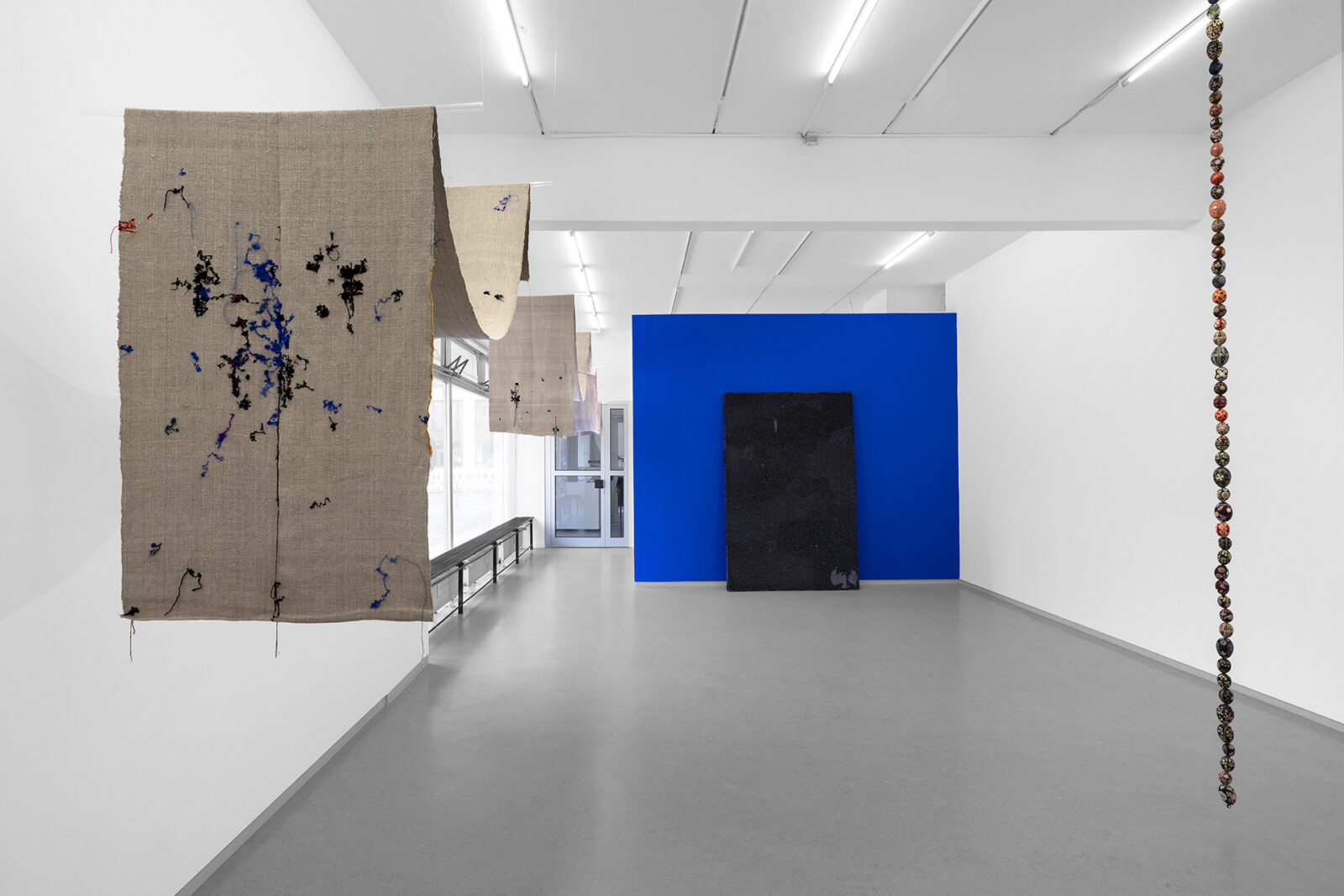
Pogranicze: Gdzie zaczynają się i kończą tożsamości narodowe i kulturowe? W którym momencie oficjalna historia nakłada się na prywatną? Co jest widoczne, a co pozostaje ukryte? Punktem wyjścia dla prac Magdaleny Ciemierkiewicz prezentowanych w KVOST jest jej rodzinna wieś Koniaczów, położona w południowo-wschodnim zakątku Polski, w regionie historycznie wieloetnicznym i wielowyznaniowym, blisko granicy z Ukrainą. Po zakończeniu II wojny światowej ukraińscy mieszkańcy wsi — sąsiedzi, z którymi dorastała babcia Ciemierkiewicz — zostali przymusowo wysiedleni przez władze komunistyczne w ramach Akcji Wisła. Ich domy zostały podpalone. Od początku rosyjskiej inwazji na Ukrainę
Ukraińcy znów są zmuszeni uciekać do tego regionu.
– Celowo opowiadam historię mojej wsi z perspektywy trzeciego pokolenia – wyjaśnia Ciemierkiewicz – chcę pokazać, że wielopokoleniowe rany są obecne do dziś, zwłaszcza na peryferiach, gdzie potrzeba przepracowania przeszłości jest jeszcze pilniejsza niż w dużych miastach. Postrzegam swoją pracę jako część nowej kultury pamięci.Niektóre z prezentowanych prac reinterpretują artefakty etnograficzne z byłego Ukraińskiego Muzeum Regionalnego „Strywihor”. Muzeum to, założone w 1932 roku w Przemyślu, niedaleko od jej rodzinnej wsi, posiadało najobszerniejszą kolekcję marginalizowanej ukraińskiej sztuki ludowej w regionie. W czasie okupacji sowieckiej część obiektów została skradziona, reszta po 1945 roku trafiła do Muzeum Narodowego w Przemyślu, gdzie do dziś pozostają przechowywane, ale niedostępne dla publiczności.
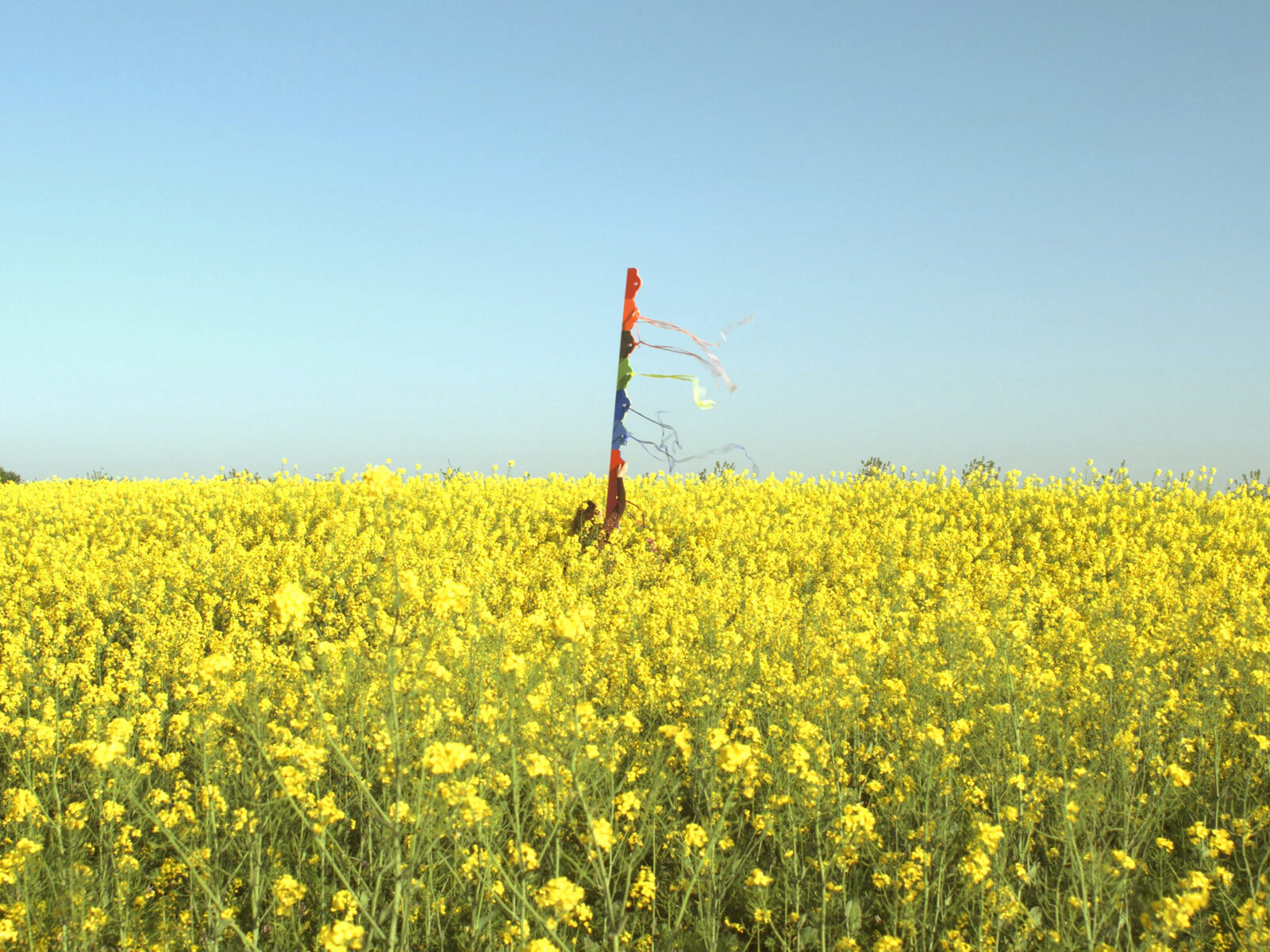
W latach 1941–1944 pola wokół Koniaczowa były miejscem niewyobrażalnych zbrodni. Naziści zamordowali tam tysiące jeńców wojennych i cywilów różnych narodowości, a pod koniec wojny uruchomili polowe krematorium, w którym spalano ciała ofiar. Jako dziecko artystka przemierzała te tereny, nie znając ich historii. Poprzez akty pamięci w lokalizacjach, w których nie pozostały żadne widoczne ślady zbrodni, Ciemierkiewicz odsłania nowe formy upamiętniania wrażliwe na współczesny kontekst i międzykulturową różnorodność ofiar.
W czasie, gdy tendencje nacjonalistyczne znów się nasilają, Ciemierkiewicz pokazuje, że tożsamości kulturowe na pograniczu zawsze były płynne i bada tradycję transnarodowej solidarności wszystkich mieszkańców regionu. We współpracy z ukraińską artystką Dianą Sozonovą powstała instalacja z pisanek — malowanych zgodnie z tradycyjnymi ukraińskimi wzorami, bazującymi na modelach z archiwów Muzeum Stryvihor. Pisanki symbolizują wyzwolenie ziemi z zimowego snu, nadejście wiosny, nową nadzieję i życie.
RAPESEED — Magdalena Ciemierkiewicz